Tam Sentetik Motor Yağı
  Dizel Motor Yağı
  Dişli yağı
  Motosiklet Yağı
 The 2015 Spring Festival is almost here, so today let's talk about something related to the holiday.
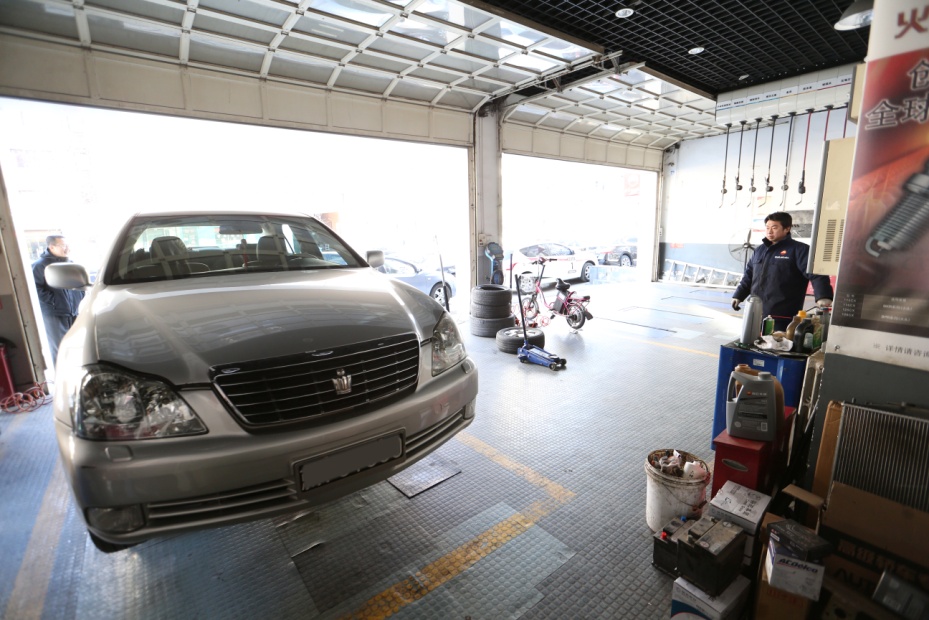
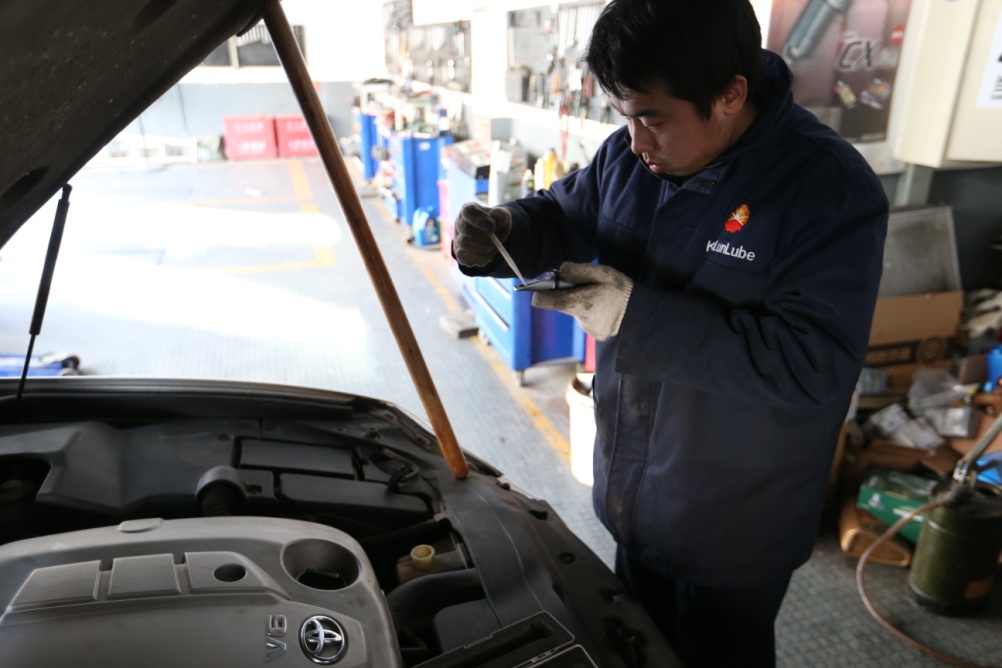
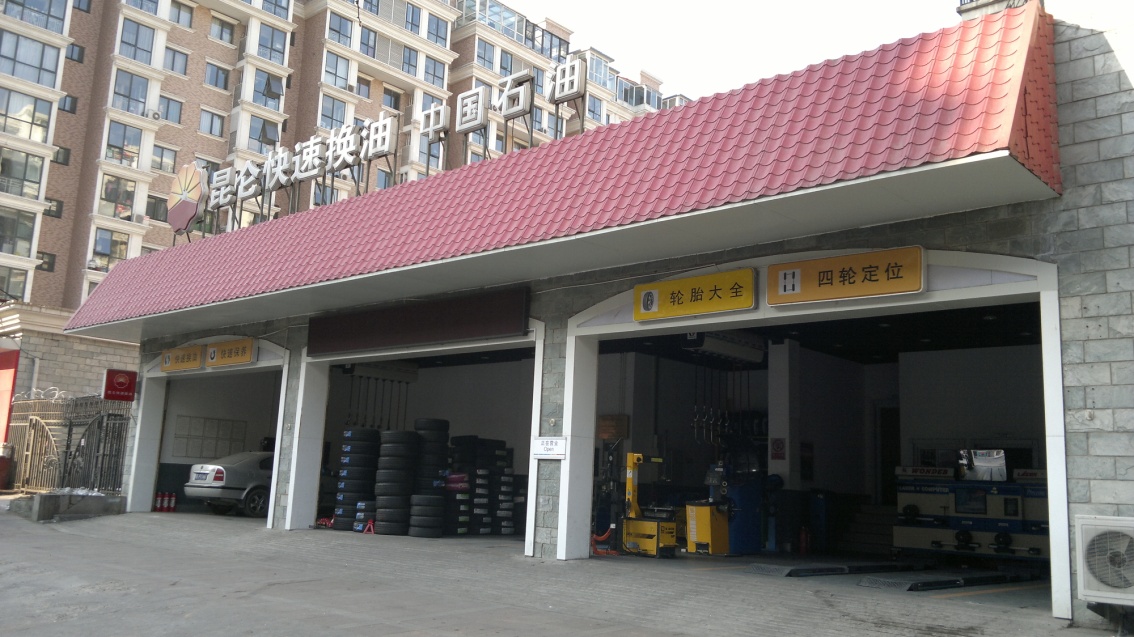
Today the car is one of the important means of transport during the Spring Festival travel rush, and many car owners choose to drive home or go traveling on their own. Mr. Zhao, who works in Beijing, is one of them. To return to Harbin for the holiday, he deliberately came more than ten days early, driving to the Kunlun Quick Oil Change Center at Shop 102, Building 2, Zone 1, Fuguiyuan, Donghuashi Nanli, Dongcheng District, Beijing, to have the technicians give his Crown a 'health check'.
'The Kunlun Quick Oil Change Center is right inside the city, so I don't have to drive a long way, and I heard the technicians here are very professional, so I came here,' Mr. Zhao said. After explaining his reasons, he also invited our reporter to go along.
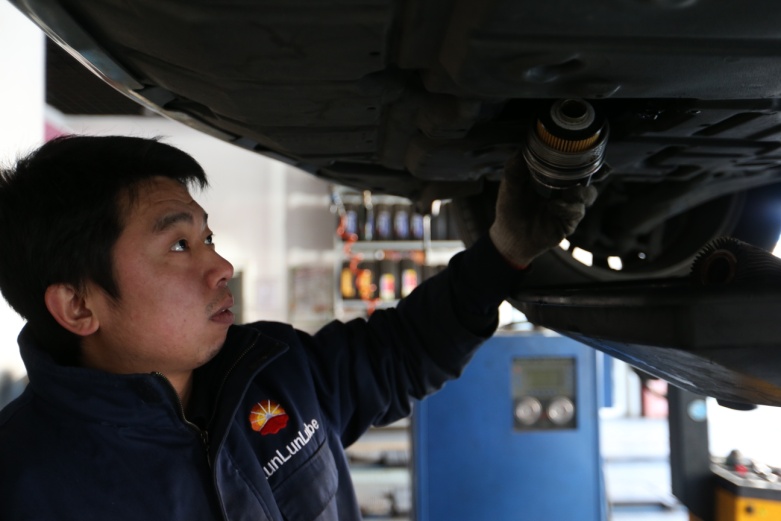
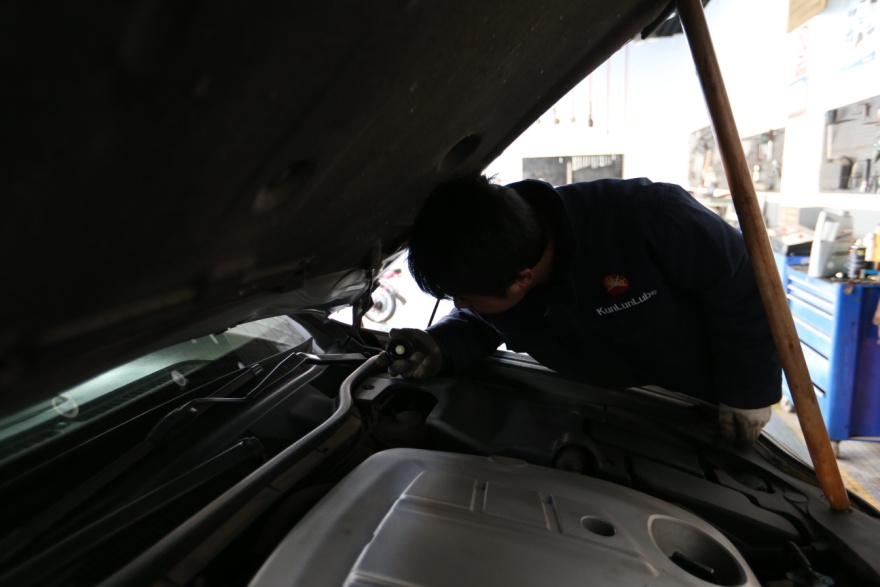
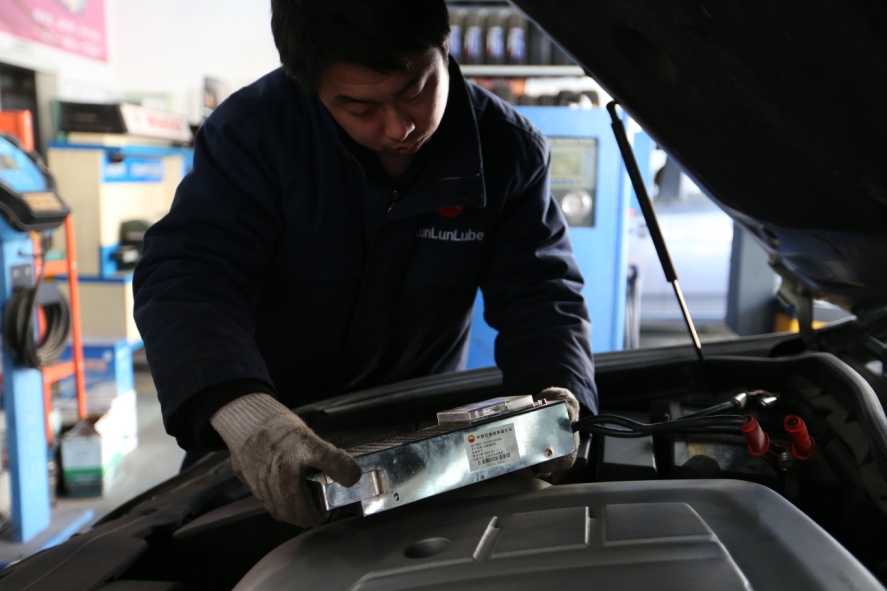
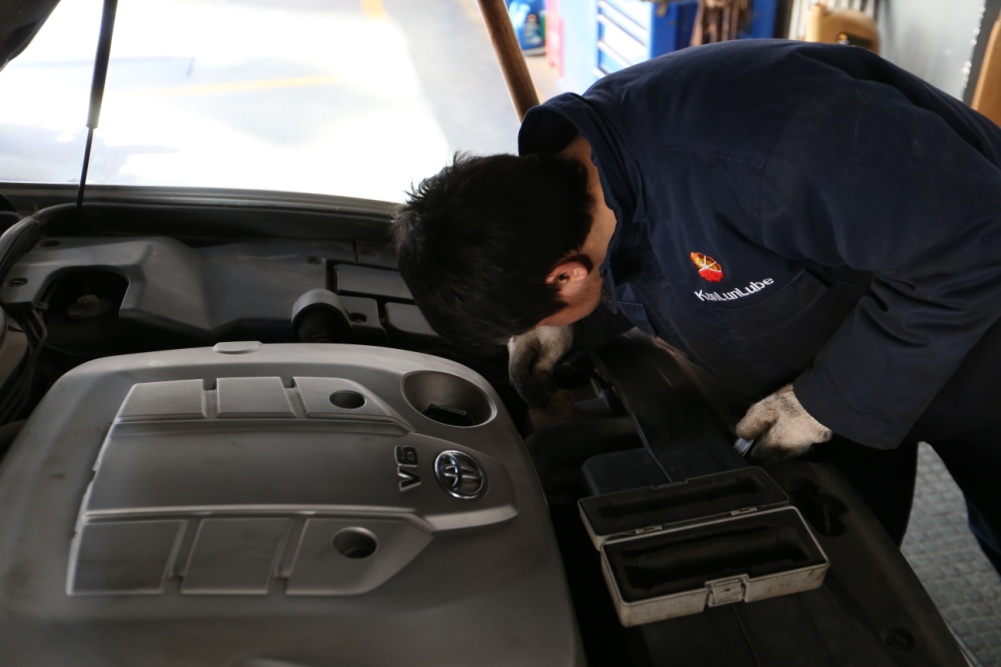
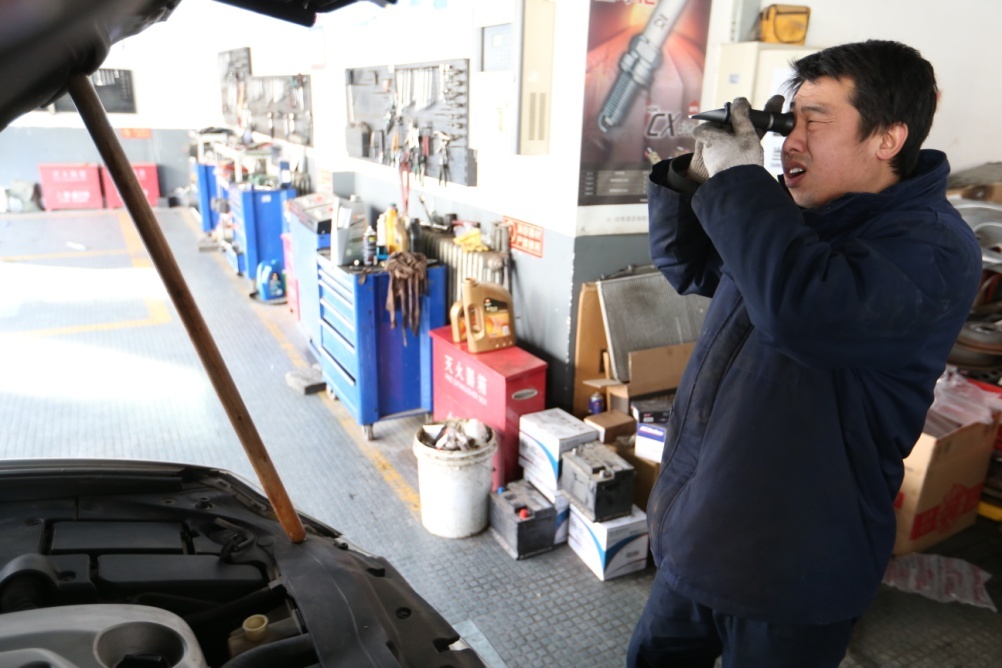
Arriving at the Fuguiyuan outlet of the Kunlun Quick Oil Change Center together with Mr. Zhao, our reporter took the opportunity, while the technicians were doing the 'health check', to talk with station manager Li Qiming. He told the reporter: 'As the Spring Festival approaches, far more vehicles than usual come in for maintenance and inspection, almost all of them heading home for the holiday. In view of this, we carry out safety inspections in five steps to make sure car owners have no problems at all on long journeys.'
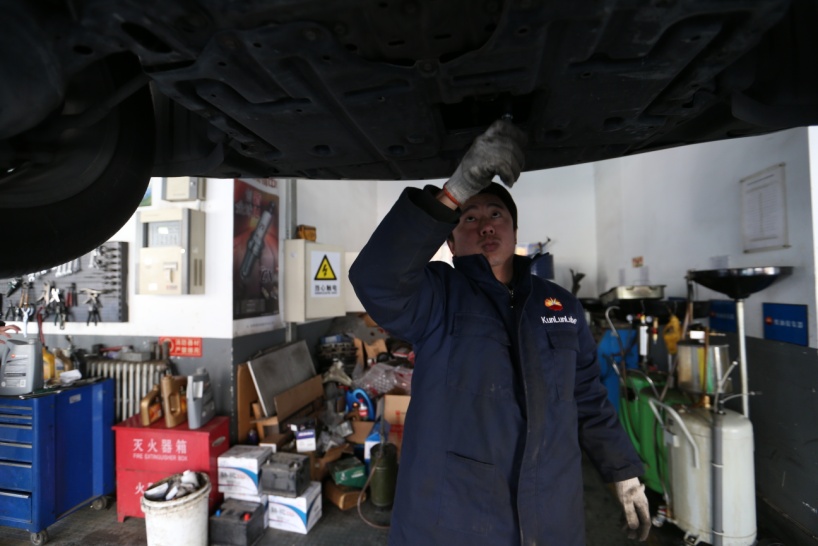
Step 1: Vehicle appearance and chassis inspection
Check one by one whether the vehicle's lights work properly. On the highway the lights are crucial, as they are a way for vehicles to communicate with one another. Checking the chassis is also important, to see whether there are any damaged spots.
Step 2: Inspection of the 'four oils'
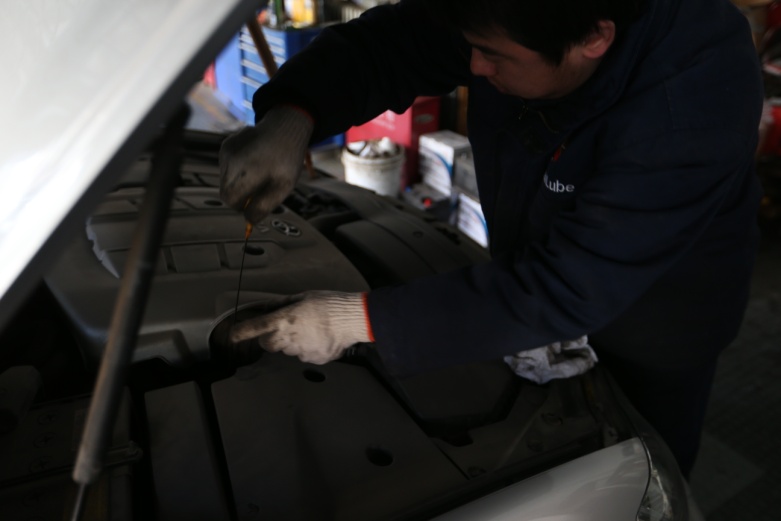
The 'four oils' are engine oil, brake fluid, transmission oil and power steering fluid. First take out the dipstick and wipe it clean with a cloth. Insert the dipstick back fully to the bottom, take it out again, and the normal oil level must be between the Max and Min marks on the dipstick. If the oil is no longer clear but black and cloudy, it should be changed at once, and do not forget to replace the oil filter at the same time.
Next, check the brake fluid. As a rule it is normally changed once a year or every 30,000 kilometers, whichever comes first. If the change interval has not yet been reached, the brake fluid level should still be checked; it can first be judged from the scale outside the brake fluid reservoir, and the brake fluid must be between Max and Min. If topping up is needed, it must be filled to the Max position; brake fluids of different specifications must be strictly controlled and never mixed. Finally, check the transmission oil and the power steering fluid in turn.
Step 3: Inspection of the 'three pressures'
The 'three pressures' refer to oil pressure, voltage, tire pressure and air pressure. First the voltage: the battery indicator light should turn red when the key is turned on (if it does not light up, further inspection is needed) and should go out within 10 seconds after the engine starts; if it does not go out within 10 seconds, further inspection is also required.
Then come the tire pressure and air pressure (vacuum-assisted braking) checks. Before a long trip, check whether the tire pressure of each wheel is within the normal range (in winter it may be about 0.2 bar above the standard pressure). When checking the air pressure (vacuum-assisted braking type), press the brake pedal to the floor and start the engine, and see whether the brake pedal sinks. If it sinks, the vacuum-assisted braking is working normally; if it does not, check whether the black hose of the brake master cylinder booster is aged, cracked or blocked.
Step 4: Inspection of the 'two waters'
The 'two waters' are antifreeze and windshield washer fluid; besides checking whether they are below the standard level, the most important thing is to test their freezing point.
Step 5: Brake system inspection
The brake system plays the leading role in a car's safety performance. When the thickness of a brake pad or brake shoe is found to be close to or below the specified minimum thickness, it should be replaced immediately. While checking the brake pads, the wear of the brake discs or brake drums should also be checked.
Kunlun Quick Oil Change Centers: professional and good value
According to station manager Li Qiming, Kunlun Quick Oil Change Centers belong to PetroChina Lubricant Company, and the five outlets in Beijing are located within the Third Ring Road or around residential and office areas along the city's ring roads. This is an advantage over 4S dealerships, because it saves car owners driving time. Car owners can also drop the car off before work; the outlet calls to notify them when the maintenance is finished, and they can pick it up at any time.
Second, spending is transparent: car owners can watch the maintenance process, including what parts were replaced and how. In principle the outlet does not allow this, mainly for safety reasons, but it is possible if the owner wishes. This differs from the separation of people and cars at 4S dealerships.
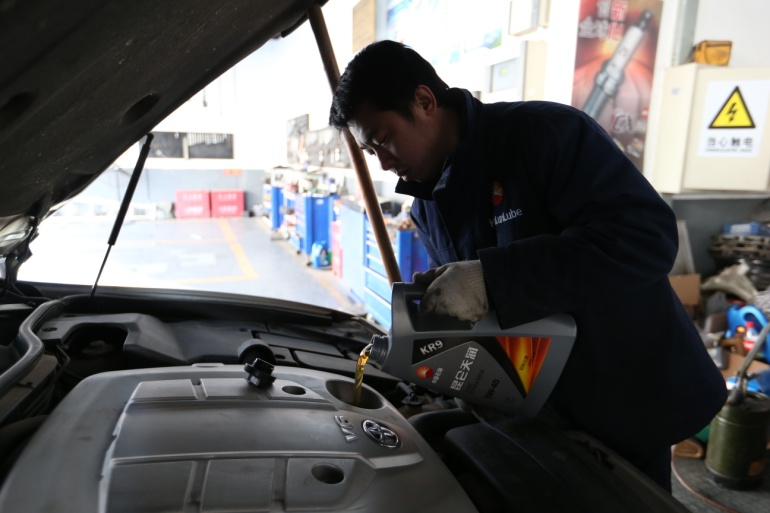
Third, because there is no middleman, prices are favorable and the products are guaranteed genuine. Take the Kunlun Tianrun KR9 (fully synthetic engine oil) that Mr. Zhao used as an example: the outlet sells it at 442 yuan per 4-liter can. Members not only enjoy the same waiver of labor charges as non-members, but also a further 10 percent discount.